
Oxford Shoes: History, Styles, and How to Wear Them
From their origins at Oxford University to today's essential dress shoe — everything you need to know about oxford shoes.
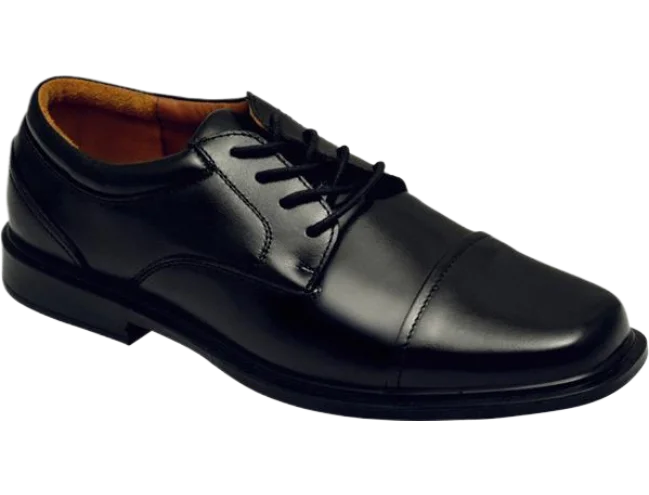
There are few shoes in menswear that carry as much history, versatility, and quiet authority as the oxford. I have spent over fifteen years fitting, recommending, and studying dress shoes, and if someone asked me to name the single most important shoe a man can own, the oxford would be my answer every time. It is the foundation of a well-built shoe collection, the anchor of formal dressing, and — when you understand the different styles — surprisingly adaptable.
This guide covers everything you need to know: where oxford shoes came from, how they evolved, the styles available today, and exactly how to wear them. Whether you are investing in your first pair or rounding out an already strong rotation, consider this your definitive resource.
The Origin of Oxford Shoes: From University Rebellion to Menswear Staple
The oxford shoe traces its roots to Oxford University in the early 19th century. Around the 1820s and 1830s, students at Oxford grew tired of the ankle-high "Oxonian" half-boots that were standard footwear at the time. These boots were stiff, heavy, and not exactly what young men wanted to wear while walking between lecture halls and social gatherings.
In a quiet act of sartorial rebellion, students began demanding shorter, lighter shoes with side slits that made them easier to put on and take off. Shoemakers obliged, and the result was a low-cut shoe with a cleaner silhouette — the ancestor of what we now call the oxford.
By the mid-1800s, the design had migrated from student campuses to London's bespoke shoemakers on Jermyn Street and Savile Row. The key innovation that defined the oxford as we know it today was the closed lacing system, where the eyelet facings (the panels where the laces thread through) are stitched under the vamp — the front panel of the shoe. This creates a sleek, V-shaped opening at the throat of the shoe that lies flat against the tongue.
This closed lacing is what separates an oxford from its close cousin, the derby. On a derby (also called a blucher), the eyelet facings are stitched on top of the vamp, creating an open lacing system with visible flaps. The distinction matters because it dictates formality: closed lacing reads dressier, while open lacing reads more relaxed.
By the early 20th century, the oxford had firmly established itself as the default formal shoe for men across Britain, Europe, and North America. It was the shoe of choice for business, weddings, black-tie events, and any occasion that called for polished dressing. A century later, that has not changed.
How Oxford Shoes Evolved Through the Decades
While the basic construction has remained remarkably consistent, the oxford has adapted to shifting tastes over the past two centuries.
In the Victorian and Edwardian eras, oxfords were slim, elegant, and typically made from black calfskin. They were worn almost exclusively for formal occasions, paired with morning coats and evening dress.
The 1920s and 1930s brought experimentation. Two-tone spectator oxfords — often in black and white or brown and cream — became fashionable among the jazz-age set. Broguing (decorative perforations) became more popular, and the wingtip oxford emerged as a staple of both British and American wardrobes. The Duke of Windsor, Edward VIII, was particularly influential in popularizing brown suede oxfords and more relaxed styling.
Through the 1940s and 1950s, the cap toe oxford in black became the undisputed standard for business dress. It was the shoe you wore to the office, to church, and to any event that required a tie. Brown variants became more accepted for daytime and business wear, though black remained the rule for evening.
The 1960s through 1980s saw casual footwear gain ground, but the oxford held firm in professional settings. The rise of Italian shoemaking introduced sleeker lasts, thinner soles, and a more continental silhouette that contrasted with the sturdier British and American traditions.
Today, the oxford exists in a rich spectrum of styles, leathers, and colors. Traditional shoemakers still produce Goodyear-welted oxfords built to last decades, while contemporary brands offer slimmer, lighter interpretations suited to modern dress codes. The core identity, however, remains unchanged: closed lacing, clean lines, and an unmistakable sense of refinement.
The Closed Lacing System: What Makes an Oxford an Oxford
If you take away only one thing from this guide, let it be this: closed lacing is what defines an oxford shoe. It is not the shape of the toe, the type of leather, or the presence of broguing. It is the lacing system.
In a closed lacing system, the quarters (the side panels with the eyelets) are sewn underneath the vamp before the shoe is assembled. When you lace up an oxford and pull the laces tight, the eyelet facings come together in a neat V-shape, and the tongue is barely visible. The result is a smooth, streamlined front that looks exceptionally clean.
An open lacing system, as found on derbies, stitches the quarters on top of the vamp. The eyelet facings are free to open wide, which makes the shoe easier to put on and off and more accommodating for higher insteps — but also visually busier and inherently less formal.
This is why the oxford sits higher on the formality spectrum than any other lace-up shoe. The closed construction creates a tailored appearance that pairs naturally with structured clothing like suits and tuxedos. If your outfit calls for gravitas, the oxford delivers.
Types of Oxford Shoes: A Style-by-Style Breakdown
Not all oxfords are created equal. Within the closed-lacing family, there are several distinct styles, each with its own personality and appropriate use cases. Understanding these differences will help you build a versatile collection.
Plain Toe Oxford
The plain toe oxford is minimalism distilled into footwear. There are no seams, no decorative stitching, and no perforations across the toe box — just a smooth, uninterrupted expanse of leather from lacing to toe. This makes it the most formal oxford style, second only to the opera pump in the hierarchy of men's formal footwear.
A black plain toe oxford in polished calfskin is the correct shoe for black-tie events, formal dinners, and the most conservative professional environments. It is a shoe that says nothing loudly and everything through restraint.
Cap Toe Oxford
The cap toe oxford features a single horizontal seam across the toe, creating a distinct "cap" of leather. This is arguably the most versatile oxford style and the one I recommend most often as a first dress shoe purchase.
In black, a cap toe oxford handles everything from funerals and weddings to daily office wear. In dark brown or oxblood, it transitions beautifully into business settings and smart-casual environments. The cap toe line adds just enough visual interest to avoid severity while maintaining a firmly formal character. Browse our Wizfort collection for exceptionally well-crafted cap toe oxfords that hit this balance perfectly.
Wingtip Oxford (Full Brogue)
The wingtip — known as a full brogue in British terminology — features a W-shaped toe cap that extends along both sides of the shoe, often accompanied by decorative perforations (broguing) along the seams and medallion patterning on the toe.
Wingtip oxfords have more visual complexity than any other oxford style, which pushes them toward the casual end of the oxford spectrum. They are outstanding shoes for business wear, particularly in brown or tan, and they pair exceptionally well with tweed, flannel, and textured fabrics. However, most style authorities consider them too busy for strictly formal events like black-tie galas.
The origin of broguing, incidentally, was functional: farmers and outdoor workers in Scotland and Ireland punched holes in their shoes to allow water to drain during walks through wet terrain. The decorative version we see today is purely aesthetic, but it carries that subtle heritage of ruggedness that gives wingtips their distinctive character.
Semi-Brogue Oxford (Half Brogue)
The semi-brogue sits between the cap toe and the wingtip. It has a straight cap toe (not the W-shaped wing) but adds broguing along the cap seam and often a medallion on the toe. This gives it more personality than a plain cap toe while keeping it dressier than a full brogue.
Semi-brogues are arguably the most balanced oxford for men who want one shoe to cover both professional and social settings. In medium brown, a semi-brogue oxford is equally at home beneath a charcoal suit as it is with chinos and a blazer.
Wholecut Oxford
The wholecut oxford is made from a single piece of leather, with only one seam running up the back of the heel. This demands exceptional leather quality — any imperfection is immediately visible with nothing to hide behind — and superior craftsmanship to shape the leather into a three-dimensional shoe from one flat piece.
Wholecuts are sleek, modern, and unmistakably luxurious. They are increasingly popular for formal and semi-formal wear, and they make a strong statement at weddings and evening events. Our Benelaccio line includes wholecut designs that showcase the quality of leather this style demands — you can explore the different types of leather to understand what sets a great wholecut apart.
Where Oxfords Sit on the Formality Spectrum
Understanding where different oxford styles fall on the formality scale helps you make smarter pairing decisions:
- Most formal: Plain toe oxford in black (black-tie appropriate)
- Formal: Cap toe oxford in black (suits, weddings, business)
- Business formal: Cap toe or wholecut in dark brown or oxblood
- Business / smart casual: Semi-brogue in medium brown or tan
- Smart casual: Wingtip / full brogue in brown, tan, or suede
The general rule: less detailing and darker color equals more formality. As you add broguing, lighter colors, and textured leathers (like suede or grain), the shoe becomes more relaxed. But even the most casual oxford still carries more formality than a derby, monk strap, or loafer in the same color — the closed lacing system always elevates it.
How to Wear Oxford Shoes: Outfit Pairings That Work
Owning a great pair of oxfords is only half the equation. Knowing how to style them is what separates intentional dressing from guesswork.
With a Formal Suit (Business or Black-Tie)
For a dark suit — black, charcoal, or navy — a black cap toe or plain toe oxford is the definitive choice. This is the combination that has anchored menswear for over a century, and it works because the shoe matches the suit's level of structure and seriousness.
If the suit is navy or medium grey, you gain the option of dark brown or oxblood oxfords, which add warmth without sacrificing professionalism. Check our complete suit and shoe color guide for specific pairings by suit color.
For black-tie events, stick to black plain toe oxfords in highly polished calfskin or patent leather. No broguing, no brown, no exceptions. The tuxedo demands simplicity, and the plain toe delivers exactly that.
With Smart Casual Outfits
This is where oxfords truly show their range. Pair a brown semi-brogue or wingtip with dark denim, a button-down shirt, and an unstructured blazer, and you have a look that is polished without being overdressed. The shoe provides the anchor of formality while the rest of the outfit stays relaxed.
Other smart-casual combinations that work well:
- Tan or cognac wingtip oxfords with chinos and a crew-neck sweater
- Suede oxfords in brown or navy with tailored trousers and a linen shirt
- Oxblood cap toe oxfords with dark jeans, a white dress shirt, and a sport coat
The key is contrast. If your outfit is unstructured and casual, a more detailed oxford (wingtip, semi-brogue) bridges the gap. If the outfit is sharper (tailored trousers, blazer), a cap toe or wholecut keeps the formality consistent.
With Wedding Attire
Oxfords are the most popular choice for wedding footwear, and for good reason. They complement everything from morning suits to modern slim-fit wedding looks.
For the groom: match the formality of your suit. A traditional black or midnight-navy tuxedo calls for black plain toe or cap toe oxfords. A lighter suit — mid-grey, blue, or tan — opens the door to dark brown or even burgundy, especially for daytime and outdoor ceremonies.
For guests: you generally cannot go wrong with a dark brown or oxblood cap toe oxford. It is formal enough for the occasion, versatile enough to work with most suit colors, and refined enough to show you took the event seriously.
With Semi-Formal and Business Casual
Modern dress codes often blur the line between business and casual, and oxfords navigate this territory better than almost any other shoe. For a "dressed-up business casual" look, try:
- A medium brown wholecut oxford with slim wool trousers, no tie, and a fitted dress shirt
- A tan full brogue with a cotton suit, open collar, and pocket square
- A suede cap toe oxford with flannel trousers and a cardigan in cooler months
The versatility comes from choosing the right oxford style for the right context. Suede and brogued versions dress down naturally, while smooth calfskin and minimal detailing dress up.
The Oxford Color Guide
Color is the second most important variable after style. Here is how each color functions:
Black: The most formal option. Essential for black-tie, funerals, and conservative offices. Every man needs at least one pair of black oxfords — ideally a cap toe. It is the single most versatile formal shoe you can own.
Dark Brown / Espresso: The workhorse of business footwear. Pairs beautifully with navy, grey, and earth-toned suits. Less stark than black, more versatile for daytime and year-round wear.
Medium Brown / Cognac: A warm, rich tone that works best for smart-casual and spring/summer settings. Outstanding with lighter suits, chinos, and denim. Avoid with black suits.
Oxblood / Burgundy: A sophisticated alternative to brown that works with navy, charcoal, and grey suits. Oxblood has depth that reads formal without the severity of black — it is one of the most underrated shoe colors in menswear.
Tan: The most casual oxford color. Best suited for warm-weather outfits, lighter fabrics, and relaxed dress codes. Tan wingtip oxfords are a summer staple.
When building your collection, I recommend starting with black and dark brown. These two colors, in cap toe oxfords, will cover the vast majority of situations you will encounter. From there, add oxblood or cognac based on your wardrobe and personal style. Our full range of dress shoes includes options across this entire spectrum.
Caring for Your Oxford Shoes
A well-made oxford can last a decade or more with proper care. The quality of leather matters, but maintenance matters just as much. Here are the fundamentals:
Use shoe trees. Cedar shoe trees absorb moisture, maintain the shoe's shape, and prevent creasing. Insert them every time you take the shoes off. This is the single highest-impact habit for extending shoe life.
Rotate your shoes. Never wear the same pair two days in a row. Leather needs time to dry out between wears. A minimum two-pair rotation is essential; three or more is ideal.
Clean and condition regularly. Wipe shoes down with a damp cloth after each wear. Every two to four weeks (depending on how often you wear them), apply a quality leather conditioner to keep the leather supple and prevent cracking. Follow with a matching shoe cream or polish for color restoration and shine.
Protect the soles. If you walk on rough surfaces regularly, consider having a cobbler add rubber half-soles or toe taps to leather soles. This dramatically extends sole life without compromising the shoe's appearance. For a more detailed care routine, see our complete leather shoe care guide.
Store properly. Keep oxfords in dust bags or their original boxes when not in use. Avoid stacking shoes or storing them in humid environments.
Why the Oxford Endures
Fashion moves fast. Trends rise and fall within seasons. But the oxford shoe has remained fundamentally unchanged for nearly two centuries — and that tells you something important about its design.
The closed lacing system creates a silhouette that is inherently elegant. The variety of styles, from plain toe to full brogue, means there is an oxford for virtually every occasion and every personal style. And the construction of a quality oxford, whether Goodyear welted or Blake stitched, is built for longevity in a way that few modern products can match.
If you are building or refining your shoe collection, start with the oxford. A black cap toe for your most formal needs, a dark brown cap toe or semi-brogue for everyday business and social wear, and perhaps a tan or suede wingtip for those moments when you want to show some personality without abandoning polish.
That three-pair foundation, chosen well and cared for properly, will serve you for years. And every time you lace them up, you will be wearing a piece of footwear history that has proven itself across two centuries of changing tastes — and shows no sign of going anywhere.