
Business Casual Shoes: The Complete Men's Guide
Which shoes qualify as business casual? A footwear specialist breaks down the styles, colors, and rules for every office dress code.
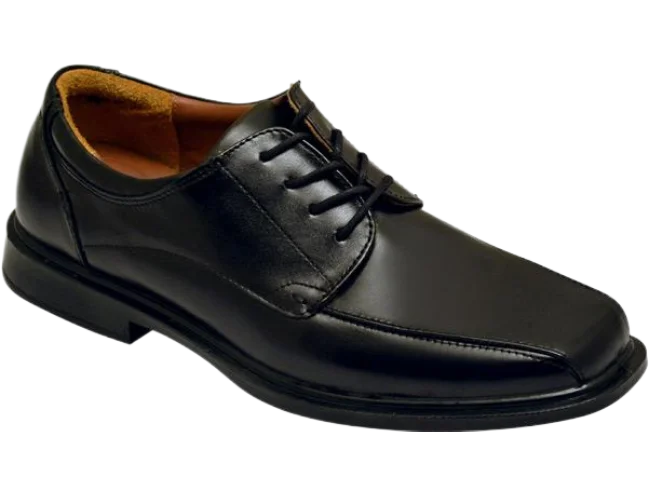
After years of fitting professionals for everything from boardroom oxfords to weekend loafers, the question I hear most is deceptively simple: "What shoes are business casual?" The confusion makes sense. Business casual is the most poorly defined dress code in the modern workplace, and footwear is where most men either overthink it or get it wrong entirely.
This guide is my attempt to cut through the noise. Whether you are starting a new job, adjusting to a relaxed office culture, or just tired of guessing, here is everything you need to know about business casual shoes for men.
What "Business Casual" Actually Means for Footwear
Business casual sits between a full suit-and-tie dress code and the anything-goes approach of casual Fridays. For shoes, that means leather or leather-like footwear that looks intentional without being overly formal. Think of it as the middle two-thirds of the formality spectrum: you are leaving the patent leather and white sneakers at home, and everything in between is fair game.
The key word is polished. Business casual shoes should look like you considered what you put on your feet. They do not need to be freshly shined cap-toes, but they should not look like you grabbed whatever was closest to the door.
In practice, business casual footwear falls on a spectrum:
- Dressier end: Whole-cut loafers, monk straps, classic derbies in dark leather
- Middle ground: Penny loafers, suede derbies, minimal oxford styles
- Casual end: Leather chukka boots, driving moccasins, clean suede loafers
Where you land on that spectrum depends on your specific office, your industry, and what you are wearing from the ankles up. More on all of that below.
The Best Shoe Styles for Business Casual
Loafers: The Business Casual Default
If I could recommend only one shoe style for business casual, it would be the loafer. Loafers are slip-on, comfortable, and sit perfectly in that sweet spot between dressy and relaxed. They work with chinos, dress trousers, and dark jeans alike.
The three main loafer types that work for business casual are:
- Penny loafers — The most versatile option. A penny loafer in dark brown leather works in nearly every business casual scenario.
- Tassel loafers — Slightly more traditional, with a bit of personality. Good for law firms, consulting, and finance offices that have loosened up.
- Bit loafers — The metal hardware across the vamp dresses these up. If your office leans closer to business professional, bit loafers bridge the gap nicely.
For a dressier take on the loafer, Wizfort offers clean, structured styles in burnished leather that can handle client-facing days. When all-day comfort is the priority, Esse Comfort loafers feature cushioned insoles and flexible construction that hold up through long office hours — read more about their comfort technology here.
Derbies: Versatility Without Stiffness
The derby (or blucher) is the open-laced cousin of the oxford. That open lacing system gives derbies a slightly more relaxed look, which makes them ideal for business casual. Unlike a formal closed-lace oxford, a derby does not look overdressed when paired with chinos or cotton trousers.
Plain-toe derbies in brown or tan are the safest choice. If you want to add some texture, suede derbies work beautifully in business casual — they read as intentionally relaxed rather than underdressed. For a deeper breakdown of the derby versus other lace-up styles, see our complete guide to men's dress shoes.
Monk Straps: For the Man Who Wants to Stand Out
Single and double monk straps are a strong business casual choice for men who find loafers too casual and oxfords too stiff. The buckle hardware adds visual interest without being loud, and monks look particularly sharp with slim-cut trousers and no-show socks.
A double monk strap in medium brown is versatile enough for most offices. Just be aware that monks read slightly more fashion-forward than loafers, so they work best in industries where personal style is appreciated.
Minimal Oxfords: When Your Office Leans Dressy
If your workplace sits closer to "business" than "casual," a clean, unadorned oxford can work. The key is choosing styles that do not look overly formal. Skip the cap-toe in high-shine black — that reads as suit shoe. Instead, opt for whole-cut or plain-toe oxfords in medium brown, cognac, or even a rich burgundy. These pair well with wool trousers and dress shirts without looking like you forgot your blazer.
Chukka Boots: The Cooler-Weather Option
Chukka boots, especially in suede, have become a reliable business casual staple. Their ankle-height profile and clean two-eyelet design give them a refined casual look that works from September through April. A tan or dark brown suede chukka pairs naturally with chinos and a sport coat, and looks equally at home under dark jeans.
Colors That Work (and How to Choose)
Color selection matters more in business casual than in formal dress, because your shoes are more visible and more likely to be noticed as a deliberate choice.
- Medium brown: The single most versatile business casual shoe color. It pairs with navy, grey, tan, olive, and khaki.
- Dark brown / espresso: A step dressier, and almost as versatile. Works with charcoal and darker wardrobes.
- Cognac / tan: Brighter and more casual. Excellent for spring and summer, or offices with a relaxed culture.
- Burgundy / oxblood: Adds personality without being loud. A burgundy loafer or monk strap is a confident choice.
- Black: Technically fine, but black leather shoes in a business casual context can look either overdressed or like you only own one pair of dress shoes. Reserve black for your more formal rotation.
- Navy and grey suede: These are gaining ground in more creative workplaces. A navy suede loafer with grey trousers is a strong combination.
If you are just starting to build a business casual shoe collection, start with medium brown. It is the foundation everything else builds on. For a complete strategy, see our guide to building a 5-shoe dress shoe collection.
What to Avoid
Business casual is forgiving, but there are still clear boundaries. Here is what does not make the cut:
- Athletic sneakers: Running shoes, basketball shoes, and gym trainers are a hard no, regardless of how "clean" they look. Some offices now accept minimalist leather sneakers, but this is the exception, not the rule.
- Sandals and flip-flops: Never. Not even in summer. Not even on Fridays.
- Heavy work boots: Timberland-style work boots, hiking boots, and combat boots read as weekend wear, not office wear.
- Overly distressed or beat-up shoes: Part of business casual is looking like you take care of your appearance. Scuffed, cracked, or visibly worn shoes undermine that.
- Bright or novelty shoes: Neon colors, cartoon prints, and extreme fashion-forward designs distract from the professional impression you are trying to make.
- Square-toe shoes: While technically "dress shoes," square-toe styles look dated. Opt for rounded, almond, or slightly pointed toe shapes instead.
Matching Business Casual Shoes with Your Wardrobe
With Chinos and Cotton Trousers
This is the bread and butter of business casual. Chinos in navy, grey, or khaki pair naturally with loafers, derbies, and chukka boots. Medium brown and tan shoes are your best friends here. The look should feel cohesive and easy — if you are spending more than thirty seconds deciding if the shoes work with the trousers, they probably do not.
With Dress Trousers and Wool Pants
Wool trousers push business casual toward the dressier end. Pair them with structured loafers, monk straps, or derbies in darker leathers. This is where a polished pair of Wizfort shoes earns its place in the rotation — the cleaner lines and finer leather complement the sharper trouser silhouette. For more pairing guidance, our color matching guide covers the principles in detail.
With Dark Jeans
Dark, unripped jeans are accepted in many business casual offices, especially in tech, creative, and startup environments. When wearing jeans, lean toward shoes with some texture or visual interest — suede derbies, burnished loafers, or chukka boots. Avoid anything too formal like a high-shine oxford, which will look out of place against denim.
Industry-Specific Guidance
Not all offices interpret business casual the same way. Here is how to calibrate:
Finance, Law, and Consulting
These industries still lean toward the dressier end of business casual, even as dress codes relax. Stick with leather loafers, monk straps, and classic derbies in brown or burgundy. Save the suede and the chukkas for more casual days. When client meetings are on the calendar, error on the side of dressier — a well-chosen monk strap or bit loafer signals professionalism without a full suit.
Tech and Startups
Tech business casual is its own category. The bar is lower, the range is wider, and suede is almost expected. Chukka boots, casual loafers, and even clean leather sneakers are generally accepted. That said, if you are presenting to investors or visiting a more traditional company, bring it up a notch with a proper leather loafer or derby.
Creative and Media
Creative fields give you the most latitude. This is where you can break out the navy suede, the burgundy monk straps, and the more fashion-forward styles. Personal expression is valued, so use your shoes to show some personality — just keep them clean and in good condition.
Healthcare and Education
Comfort is paramount here because you are often on your feet all day. Derbies and loafers with cushioned insoles are the move. Esse Comfort designs specifically for this use case — professionals who need their shoes to look polished at 8 AM and still feel good at 5 PM. If you deal with flat feet or arch issues, prioritize shoes built for support.
Seasonal Considerations
Spring and Summer
Lighter colors and materials come into play. Tan and cognac leather, suede in lighter shades, and unlined loafers all feel seasonally appropriate. If your office allows it, sockless looks with loafers can work — just use no-show socks to keep things hygienic. Breathable construction becomes a practical concern when temperatures rise.
Fall and Winter
Darker leathers and suedes are naturally appropriate. Chukka boots become a strong option, as do derbies in richer colors like espresso or burgundy. If you live in a climate with rain or snow, consider leather shoes with rubber soles or Dainite-style studded soles for traction without sacrificing the dress profile. Keep a shoe rotation going — never wear the same leather shoes two days in a row, especially in wet conditions.
Building a Business Casual Shoe Rotation
You do not need a dozen pairs to cover business casual effectively. Here is a practical rotation that handles every scenario:
- Medium brown penny loafers: Your daily driver. Works with everything from chinos to wool trousers.
- Dark brown derbies: Slightly dressier, ideal for important meetings and darker wardrobes.
- Tan or brown suede chukka boots: Your fall and winter anchor, and a welcome change of pace from low-cut shoes.
- Burgundy or cognac monk straps: The personality piece. Deploy when you want to elevate the outfit or make a statement.
With these four pairs in rotation, you are covered for virtually any business casual scenario across all four seasons. Each pair gets rest days between wears, which extends the life of the leather. Explore our full collection to find options across every style and budget.
A Few Final Rules
Business casual footwear is not complicated once you understand the boundaries. Keep these principles in mind:
- Condition matters as much as style. A well-maintained $100 loafer looks better than a scuffed $300 one. Clean, condition, and rotate your shoes regularly.
- When in doubt, dress it up slightly. Being marginally overdressed is always better than being underdressed. A leather loafer never offends in a business casual environment.
- Observe before you experiment. In a new job, spend the first two weeks watching what colleagues and leadership wear before you push any boundaries.
- Invest in comfort. You will always look more confident and professional when your feet are not hurting. Prioritize fit and cushioning alongside style.
The right business casual shoes make the rest of your outfit work. They are the foundation that tells everyone you understand the assignment — that you are professional, put-together, and paying attention. Start with the basics, build from there, and you will never wonder if your shoes are appropriate again.
For more guidance on selecting and styling dress shoes, visit our style guide or read about choosing the right shoes for a job interview.